
Installation Safety & Commissioning Checklist
Ensure the Competence of Installation Personnel
Owners SHALL ensure that installation personnel are professionally competent, professionally qualified, and are provided with adequate instructions for carrying out the work.
**
Ensure Proper Commissioning and Handover
Owners SHALL ensure that the test loading, test drive, and commissioning inspection have been properly executed and that the handover load has been properly completed.
Owners SHALL ensure that components, electrical connections, and steel structures of the product have been inspected and certified as defect-free.
Documentation
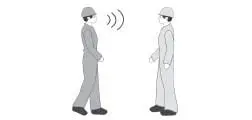
At handover, check with your supplier that you have received all of the documents that you are supposed to have and that they correspond to the product.
Owners SHALL ensure that all product documentation is available and is in the agreed language.

Ensure Availability of Tools and Equipment
The owner must ensure that tools and equipment are available for installation, in accordance with the sales contract.
Required equipment may include:
- Lifting equipment
- Man lifts
- Test loads
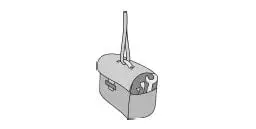
Hand lines, securely attached to the building structure, should be used for lifting or lowering materials and tools.
Use proper safety equipment to prevent objects from falling when working at height.
Allow Sufficient Time
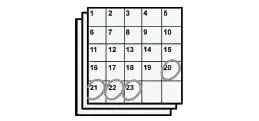
Owners must ensure that sufficient time has been reserved for installation and testing.
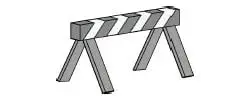
Owners must prevent unauthorized persons and bystanders from entering or walking beneath the work area.
Ensure that the secured area is large enough to prevent injuries caused by falling components or tools.
Minimize the Risks of Moving Machinery
Make sure that personnel or body parts cannot be struck, crushed, or compressed by moving machinery.
Owners must secure the area so that installation personnel are not exposed to risks from:
- Moving machines
- Automatic doors
- Adjacent hoists
- Other operating equipment
Additional requirements:
- Prevent accidental machine startup.
- Prevent movement during installation and servicing.
- Maintain sufficient working space.
- Guard all moving parts against entrapment.
- Never bypass safety devices.
- Be prepared if equipment moves in the wrong direction during testing.
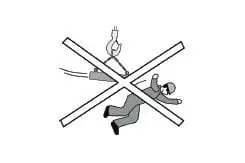
Ensure that the Support Structure is Prepared for the Product
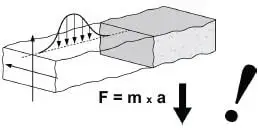
Owners must ensure that the support structure to which the product is attached:
- Is designed for the product load.
- Meets all specified requirements.
- Complies with required tolerances.
Check that the Power Supply is Compatible
Verify that:
- Supply voltage matches the product requirements.
- Frequency matches the product requirements.
- Installed bus bars are suitable for the product.

Safety Devices Must Be Restored to Operational Status
Ensure that any safety devices bypassed during testing have been fully restored to operational condition before normal operation begins.
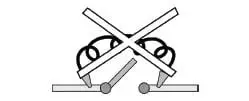
Check the Environmental and Space Requirements
Ensure that the operating environment and the space allocated for the product are suitable for all intended functions of the equipment.
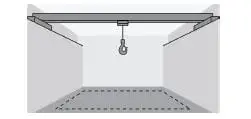
Check for Dimensional Conformance
Immediately after installation and before commissioning:
- Verify that supplied parts conform to drawings.
- Verify compliance with installation instructions.
- Verify compliance with parts lists.
- Verify structural measurements.
Any non-conformance should be reported to the supplier immediately.
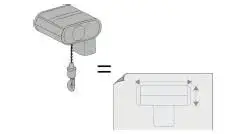
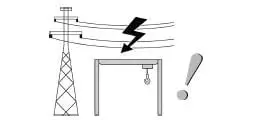
Check for Electrical Hazards
Check for electrical hazards in and around the work area and take appropriate measures to eliminate or minimize risks.
Requirements:
- Only properly trained personnel may perform electrical work.
- Safe electrical working practices must be followed at all times.
Take Precautions if Welding Is Performed On Site
If welding is required at the installation site:
- Provide suitable fire extinguishers.
- Do not use the product structure or components as a grounding point.
- Isolate the hook before welding.
- Never weld directly on the hook.
Owner Responsibilities Summary
Before commissioning the equipment, owners should ensure:
- Qualified installation personnel.
- Proper commissioning and handover.
- Complete documentation.
- Adequate tools and equipment.
- Sufficient installation time.
- Restricted site access.
- Safe operation around moving machinery.
- Suitable support structures.
- Compatible power supply.
- Operational safety devices.
- Suitable environmental conditions.
- Dimensional compliance.
- Electrical safety.
- Safe welding procedures.
